
What Is the Difference Between Disposables and Pod Systems?
If you are new to vaping, the two most common starting points are disposable vapes and pod systems. Both heat e-liquid to create vapour, but they work differently and suit different lifestyles. Understanding the basics before you buy will save you money and frustration.
A disposable vape is a sealed, pre-filled device you use until the battery dies or the e-liquid runs out, then you dispose of it responsibly. A pod system is a reusable device with a battery you recharge and pods you either refill with your own e-liquid or replace with pre-filled cartridges. Neither option is objectively "better." The right choice depends on your budget, how often you vape, and how much hands-on maintenance you want to deal with.
How Modern Disposable Vapes Function
A disposable vape arrives fully assembled. Inside the shell is a small lithium battery, a wicking chamber filled with e-liquid, and a coil that heats the liquid into vapour when you inhale. There is no button to press on most models. You simply draw on the mouthpiece and the device activates automatically.
Early disposables held a few hundred puffs. The category has grown quickly, and devices advertising tens of thousands of puffs are now common. These higher-capacity models use larger internal batteries, bigger e-liquid reservoirs, and dual mesh coils to stretch the life of the device. Once the liquid or battery is spent, the whole unit is finished and should be recycled through an appropriate battery or e-waste program rather than the regular trash.

Our best-selling disposable. Zero setup, dual mesh coils, and one of the longest lifespans in the category.
How Refillable and Pre-filled Pod Systems Function
A pod system has two main parts: a rechargeable battery unit and a pod. The pod holds the e-liquid and, in most designs, contains or connects to a small coil. There are two styles of pods sold in Canada. Open pod systems let you refill the pod yourself with bottled e-liquid, which usually costs less per millilitre. Closed pod systems use sealed, pre-filled pods that you swap out when empty, similar in convenience to a disposable but attached to a reusable battery.
Pod systems typically use a USB-C cable for charging and last anywhere from a full day to several days between charges depending on how often you vape. For a deeper breakdown of how these devices are built and how to pick between styles, our guide to pod mod power covers the mechanics in more detail.

Closed pods for the STLTH Loop system. Swap when empty, recharge the device, no refilling.
How Do Disposables and Pods Compare on Cost and Usability?
Cost and convenience are usually the two biggest deciding factors for beginners. Below is a straightforward comparison to help you see where each option stands.
Compare Options: Disposables vs Open Pods vs Closed Pods
| Feature | Disposable Vape | Open Pod System | Closed Pod System |
|---|---|---|---|
| Upfront cost | Low to moderate per unit | Moderate device cost, cheaper e-liquid over time | Moderate device cost, moderate pod cost |
| Ongoing cost | Repeats fully with each new unit | Lowest per millilitre of e-liquid | Higher than open pods, lower than disposables |
| Setup required | None, ready to use | Fill pod, prime coil, charge battery | Insert pod, charge battery |
| Daily maintenance | None | Refill as needed, occasional coil swap | Swap pod when empty |
| Best for | Trying vaping, travel, backup device | Daily vapers who want lower costs | Daily vapers who want convenience without refilling |
Upfront Purchase Price vs Long Term Running Costs
Disposables look cheap on the shelf, but the price adds up fast if you vape every day. Every time the device is empty, you pay full price again for the battery, the shell, and the packaging, even though only the e-liquid was actually consumed. Open pod systems flip this equation. You pay more upfront for the device, but refilling with bottled e-liquid usually works out to a lower cost per millilitre because you are not paying for a new battery and shell every time.
Closed pod systems sit in the middle. You are still buying pre-filled pods repeatedly, but you are not replacing the battery, which brings the running cost down compared to disposables. For a closer look at how these costs stack up over weeks and months, our article on disposable vape costs and value breaks down the math in detail.
Ease of Maintenance, Charging, and Daily Usability
Disposables win on simplicity. There is nothing to fill, no coil to prime, and no battery to charge. You use it and recycle it when it is done. This makes disposables a common choice for someone testing vaping for the first time or someone who wants a backup device in a bag or car.
Pod systems ask a little more of you. Open pods need occasional refilling and coil changes, and closed pods need pod swaps, but both need regular charging. In exchange, you get a device that lasts much longer overall and produces less waste per week of use. If you dislike routines, a disposable removes that friction entirely. If you do not mind five minutes of upkeep every few days, a pod system will serve you better long term.

The lowest-cost way into a pod routine. A frequent repeat purchase at our stores.
Are High-Capacity 60000 Puff Disposables Worth Buying in 2026?
Puff counts on disposable vapes have climbed steadily, and in 2026 devices advertising 50,000 to 80,000 puffs are a normal part of the Canadian market. These devices sit at the far end of the disposable category, aimed at people who want disposable-level simplicity with a lifespan that starts to rival a pod system.
What to Look for in the Best 60000 Puff Disposable Vape in 2026
Puff counts are estimates based on average draw length, so real-world results vary by person. When comparing high-capacity disposables, look past the headline number and check a few practical details. First, check the battery capacity in mAh, since a larger e-liquid reservoir is useless if the battery dies first. Second, check whether the device is rechargeable, since a battery large enough to support tens of thousands of puffs almost always needs a USB-C charging port rather than running on a single internal charge. Third, check the e-liquid capacity in millilitres, since Canadian devices are subject to nicotine concentration limits that affect what a legal unit can contain.
Screen Displays, Dual Mesh Coils, and Battery Longevity
Many higher-capacity disposables now include a small screen showing battery life and e-liquid level, which helps you know when the device is close to finished instead of guessing. Dual mesh coil setups are also common in this category. Two coils working together heat e-liquid more evenly and consistently across the life of the device, which helps flavour and vapour production stay steadier as the unit ages compared to a single coil design.
Battery longevity is the real limiting factor. A device can have a generous e-liquid reservoir, but if the battery is not rechargeable or is undersized, you will be throwing the device away with unused liquid inside. Look for models that pair a large mAh battery with USB-C recharging so the two components run out closer to the same time. Our guide to rechargeable disposable vapes and battery safety goes into more detail on what to check before buying.

High-capacity disposable with a screen, dual mesh coils and USB-C recharging.
60000 Puff Disposables vs Pod Kits: The Longevity Tradeoff
A high-capacity disposable can last a very heavy vaper several weeks on a single unit, which narrows the usage gap with a pod system. However, once that device is empty, it is finished completely. You cannot refill it, replace a worn coil, or swap the battery. A pod system, by contrast, keeps running indefinitely as long as you keep charging it and replacing pods or coils.
For someone who wants the absolute lowest amount of ongoing decision-making, a high-capacity disposable is an easy choice. For someone thinking in terms of cost per month over a full year, a pod system will generally still come out ahead, since you are only ever paying for e-liquid and the occasional coil, not a new battery and shell every time.
When Should You Avoid Buying Disposables or Pod Systems?
Neither device type is right for every situation. Being honest about the downsides helps you avoid buyer's remorse.
If you are unsure which category fits your habits, reviewing real-world flavour and performance comparisons can help. Our side-by-side review of Vuse pod flavours is a useful reference point if closed pod systems are on your shortlist.
What Are the Canadian Laws and Safety Rules for Vaping?
Vaping products sold in Canada are regulated at both the federal and provincial level. As an adult vaper in Ontario, it helps to understand the basic rules before you buy.
Canada Federal Nicotine Cap of 20 mg/mL
Under Health Canada's Nicotine Concentration in Vaping Products Regulations, e-liquid sold in Canada cannot exceed a nicotine concentration of 20 mg/mL. This cap applies to disposables, pre-filled pods, and bottled e-liquid alike. Any device or e-liquid advertised above this limit is not legally compliant for sale in Canada, so it is worth checking nicotine strength on the packaging before you buy, especially with imported or grey-market products.
Provincial Flavour Restrictions and Excise Tax Stamps
On top of federal nicotine rules, provinces can set their own restrictions on vaping products, including limits on flavour names or descriptors and rules about where products can be sold. Ontario has its own set of retail rules for vaping products, and legally sold vaping products in Canada must carry a federal excise stamp showing that excise duty has been paid. Checking for this stamp is a simple way to confirm you are buying a product that has gone through proper regulatory channels rather than an unregulated import.
Safe Battery Care and Municipal Recycling Rules in Canada
Both disposables and pod systems rely on lithium batteries, which need to be handled with care. Health Canada advises vapers to avoid leaving devices charging unattended, keep them away from extreme heat, and never puncture or crush a battery-containing device. When a disposable is empty or a pod battery reaches the end of its life, do not throw it in household trash. Call2Recycle Canada runs vape and battery drop-off programs, and many vape retailers also accept used devices for proper disposal. Our battery safety guide for rechargeable disposables has more detail on safe charging and disposal habits worth building early on.
How Do You Choose and Buy Your Device on VapeCloud.ca?
Once you understand the tradeoffs between disposables and pod systems, choosing a starting device comes down to a few honest questions about your habits and budget.
Next Steps Checklist for First-Time Buyers
- Decide how often you expect to vape: occasional use points toward a disposable, daily use points toward a pod system.
- Set a monthly budget and compare it against the running costs in the table above.
- Confirm the nicotine strength you want, remembering the 20 mg/mL federal cap applies to every device you consider.
- Check whether you want screen displays, dual mesh coils, or higher puff counts if you are leaning toward a disposable.
- Check pod compatibility and coil resistance options if you are leaning toward a pod system.
- Plan for proper battery disposal before your first device even runs out.
Top Starter Pod Kits Available on VapeCloud.ca
If you have decided a pod system fits your routine, browse the pod system collection on VapeCloud.ca for beginner-friendly kits with simple charging and easy pod swaps. Look for kits with adjustable airflow if you want more control over your draw, and check whether the brand offers both open and closed pod options so you can switch styles later without buying a whole new device.
Top Beginner Disposables Available on VapeCloud.ca
If a disposable suits your lifestyle better, the disposable vape collection on VapeCloud.ca includes a range of puff counts, from lower-capacity devices for casual use to the higher-capacity models discussed above for those who want fewer replacements. For more on how modern coil design and future pod technology are shaping these devices, our article on the future of pod coil changes is worth a read before you decide.
Frequently Asked Questions
Are pod systems cheaper than disposable vapes in Canada?
Over time, yes, for most daily vapers. Pod systems cost more upfront, but refilling or replacing pods generally costs less per millilitre than buying a new disposable every time the e-liquid runs out.
How long does a 60000 puff disposable vape actually last?
It depends on how often and how long you draw on the device, since puff counts are estimates based on average draw length. Heavy daily vapers should expect real-world use to differ from the advertised number.
What is the maximum legal nicotine strength in Canada?
Federal regulations cap nicotine concentration at 20 mg/mL for vaping products sold in Canada, whether it is a disposable, a closed pod, or bottled e-liquid.
Can you travel across Canadian provinces with disposable vapes?
Provinces can have different rules around flavour descriptors and retail sale, so a product legally sold in one province may be restricted in another. Always check local provincial rules before travelling with vaping products.
Which vape is easiest for a complete beginner to quit smoking?
Vaping products are not authorized as smoking cessation aids in Canada. If you are considering vaping as an alternative to smoking, speak with a healthcare provider about options that are appropriate for you.
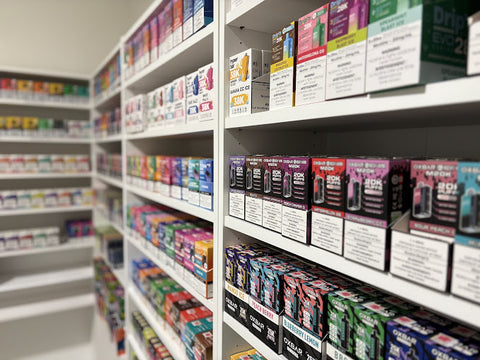
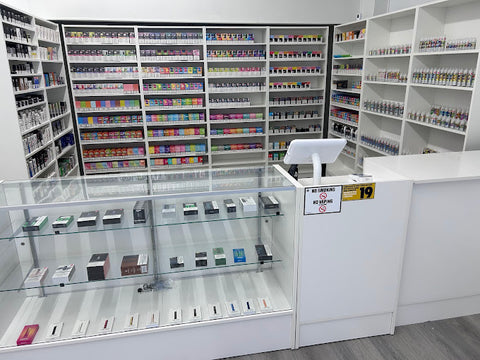
Whether you land on a simple disposable or a reusable pod kit, the team at Vape Cloud is happy to help you compare options in person. Browse the full range at vapecloud.ca or drop by one of our Ontario store locations to see the devices firsthand before you buy.
Shop Vape CloudMore guides